


L'Arche is about more than inclusion
L’Arche Canada is a national leader in building communities of inclusion and belonging. L’Arche demonstrates that when we welcome their insights, leadership, and gifts, persons with disabilities help build more just, caring, and vibrant communities for all.
About Us
L’Arche in Canada
L’Arche Canada empowers the L’Arche communities in Canada to live the mission of L’Arche, collaborating for collective impact and sharing knowledge, services, and resources. This local, national, and international breadth gives L’Arche Canada a unique capacity to be a bridge-builder and to collaborate with diverse, multi-sectoral partners for inclusion and belonging.
with intellectual disabilities in a wide range of programs—visual and performing arts, crafts, music, supported employment, social enterprise initiatives and recreational activities.
Providing accessible and inclusive housing for over 500 people with intellectual disabilities.
How your donation makes a difference.
With your help, we can build a more compassionate, more human society.
Why Support Us
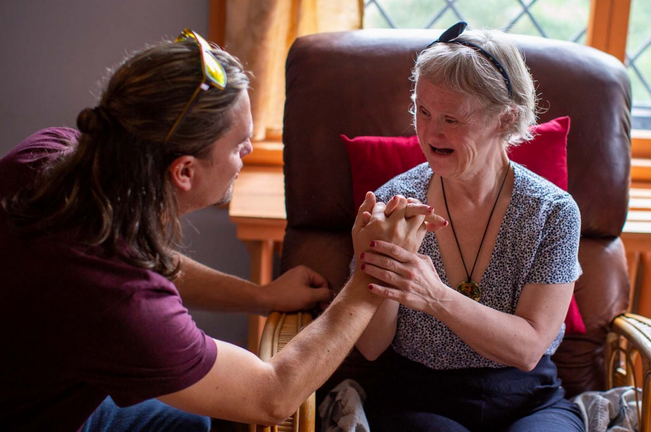
L’Arche Communities
Across Canada and around the world, L’Arche creates communities of friendship and belonging.
- In L’Arche, people with and without intellectual disabilities live, work, learn, and grow together.
- L’Arche demonstrates that when persons with intellectual disabilities take their place at the table, they contribute to a more just, compassionate, and vibrant world for all.
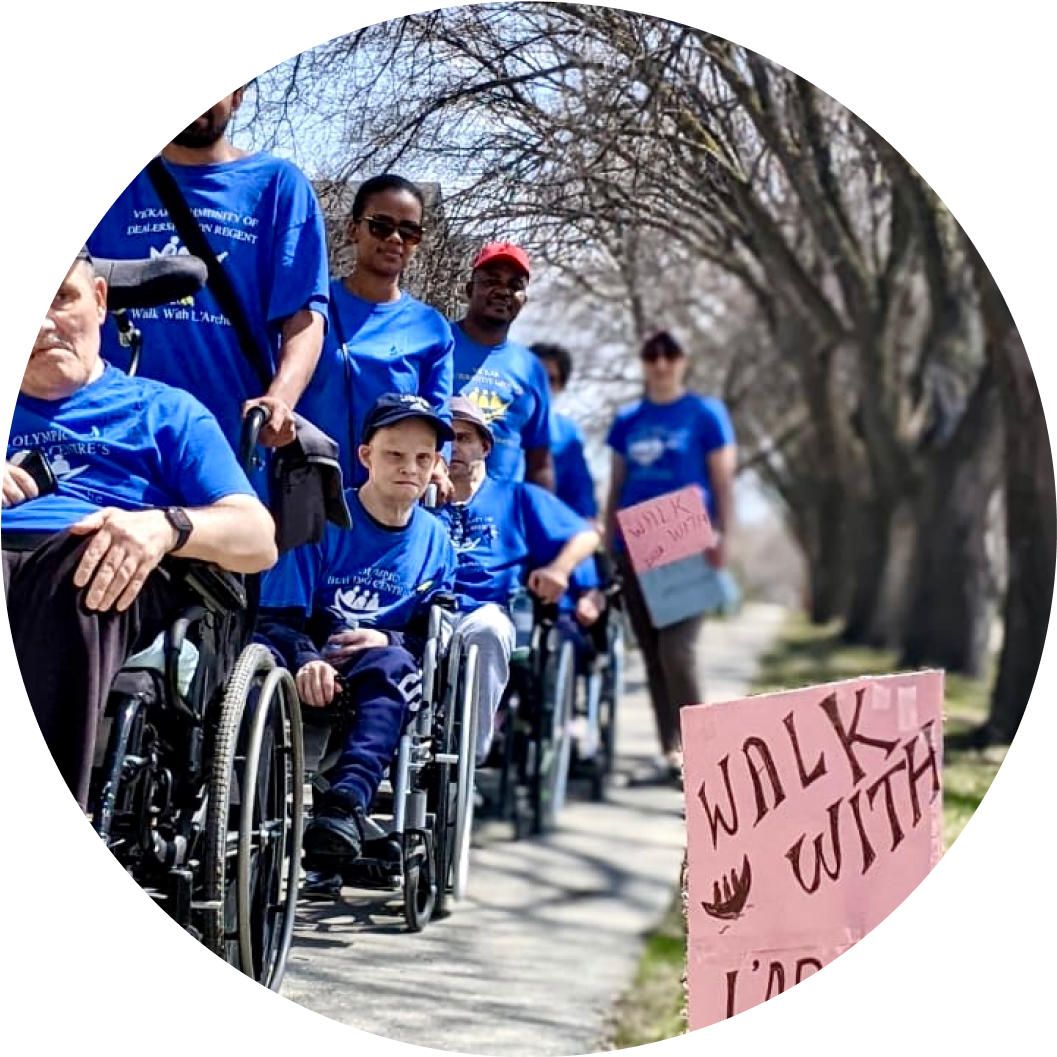
Work at L’Arche
- In our world friendship matters.
- L’Arche has a distinct spirit where persons with intellectual disabilities and assistants truly share life with one another.
Featured News & Events
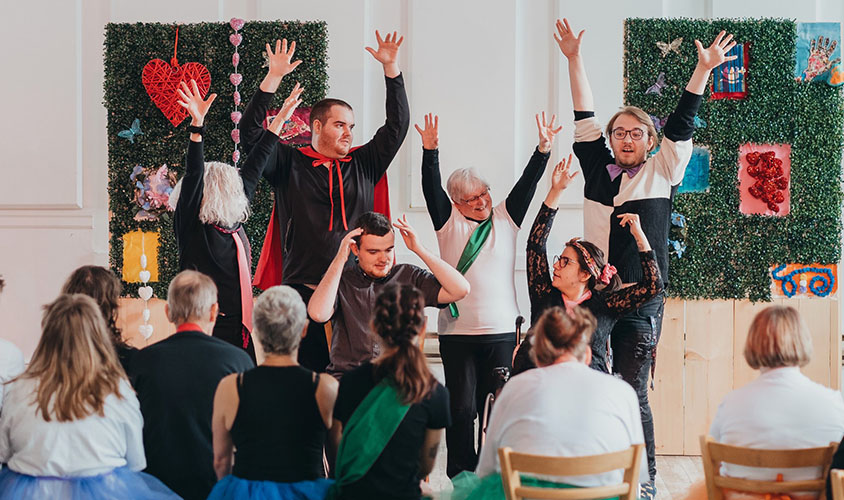






Our Impact
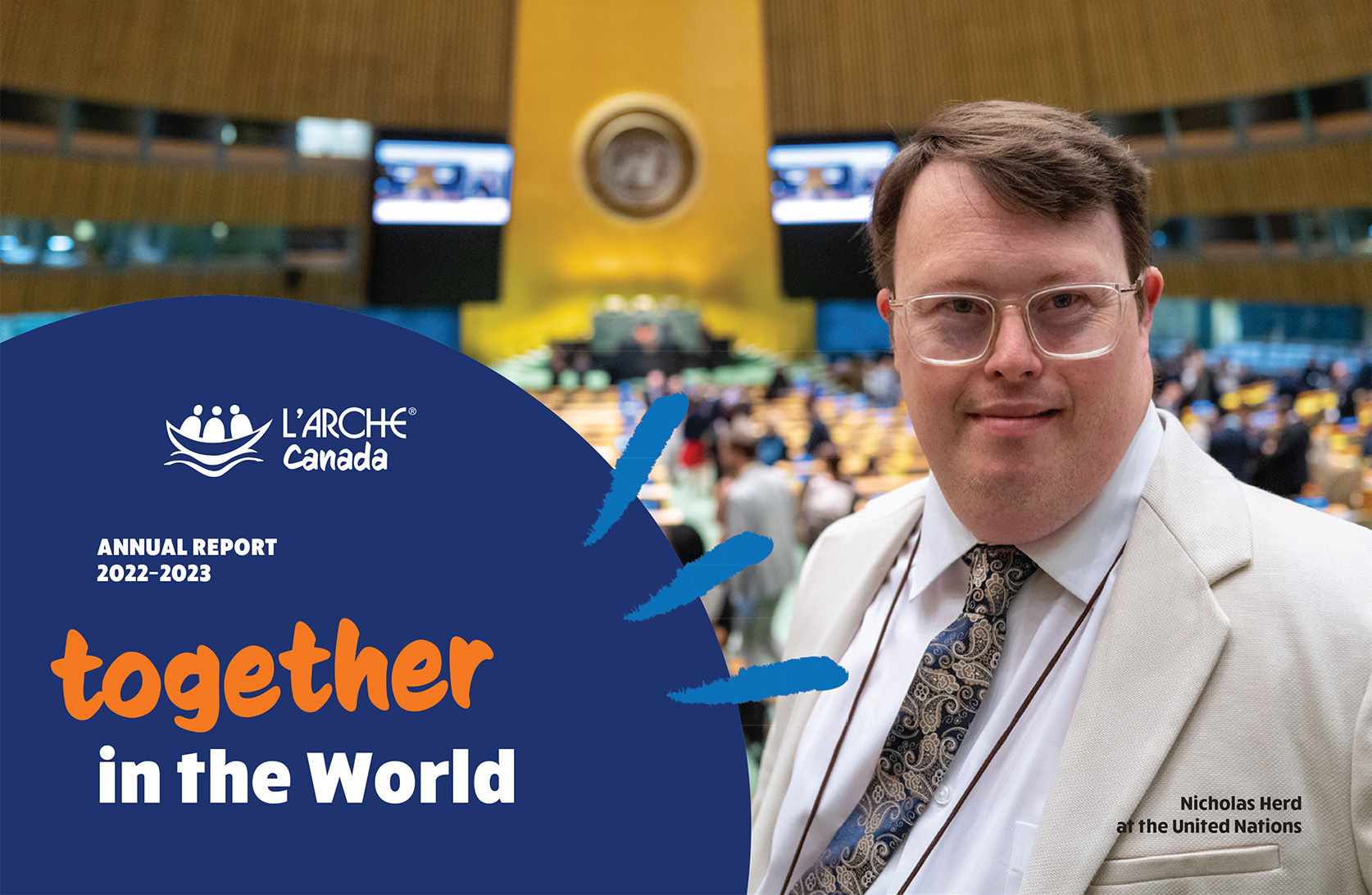
The Impact of L’Arche is personal, local, regional, national, and global.
Read L'Arche Canada's Annual ReportWe will only use your email address to send you our newsletter and updates. You can unsubscribe at any time.